
Brand Strategy : Biopharma Commercialization Strategy
Biopharma Commercialization Strategy: Why Indian Companies Are Rethinking the Launch Playbook
How cold chain logistics, specialist HCP education, and payer access make biologic launches work differently — and what a winning strategy requires.
Executive Summary (TL;DR)
The Capability Gap: Most Indian pharma companies built their skills around small-molecule drugs. That playbook fails with biologics and specialty therapies.
The Three Differentiators: A strong biopharma commercialization strategy needs three things: cold chain execution, specialist HCP education, and structured payer access.
The Competitive Imperative A strong biopharma commercialization strategy needs three things: cold chain execution, specialist HCP education, and structured payer access.
OneAlphaMed Research Desk
Pharma & Life Sciences Practice • Brand Strategy Intelligence
Updated:April 16, 2026
7 min read
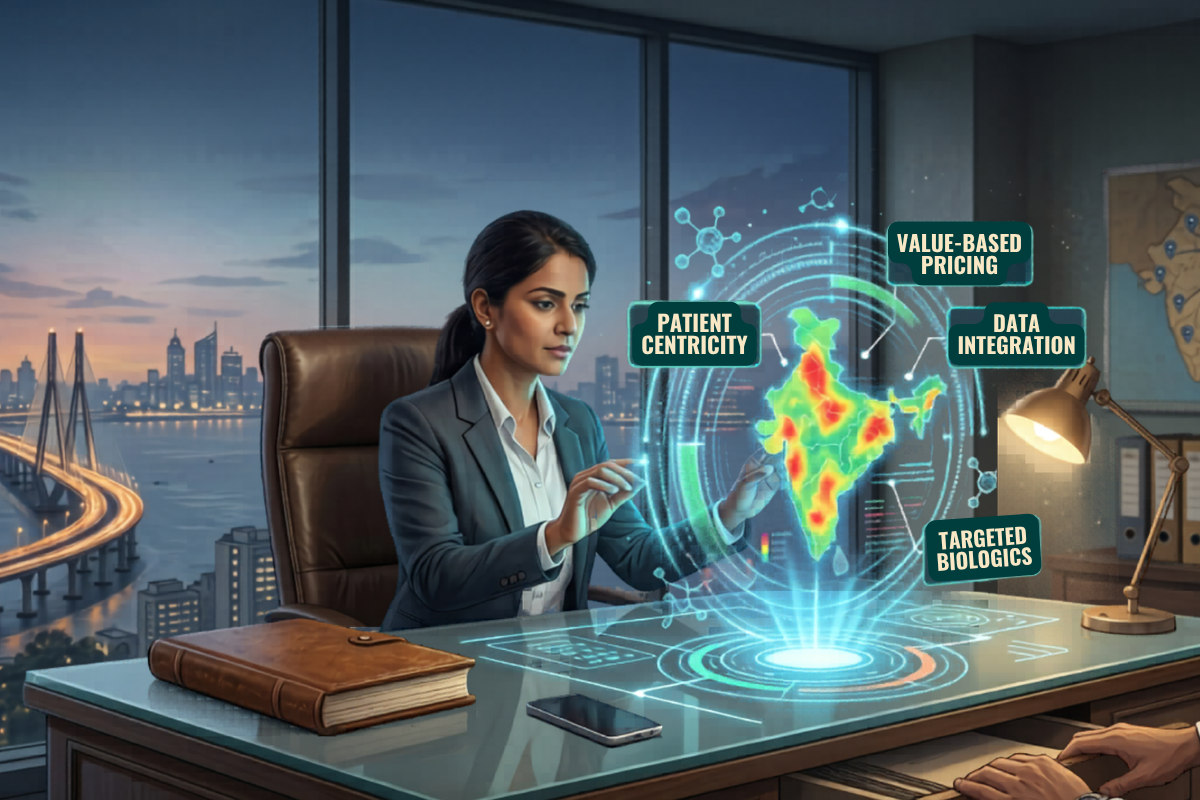
Fig 1. Indian Pharma Companies Are Rethinking the Launch Playbook
In this article:
Indian pharma built its commercial strength on one model. Price-led. Volume-driven. Primary-care-first. It worked well for small-molecule generics. Field forces reached wide physician networks. Retail pharmacy was the main channel. Launches were fast and efficient. That model created real value — and a habit that is hard to break.
That habit becomes a problem when a company enters biopharma. A biopharma commercialization strategy runs on different rules. Molecules need cold chain from factory to patient. Prescribers are narrow specialists, not GPs. Price points invite payer scrutiny that Indian generic launches never faced. Companies that apply the old playbook to a biologic launch do not just underperform. They lose commercial potential before the product even reaches patients.
Indian pharma companies are now recognizing that the leap from generics to biologics requires a fundamental shift in commercial architecture—moving away from broad retail reach toward specialized, high-science hospital integration.
1. Why Biologics Demand a Different Commercial Model
Small-molecule launches in India run on volume. Wide physician networks. High prescription frequency. Retail channel reach. A team of 200 Medical Representatives can run a credible launch within 90 days of DCGI approval. The model is fast and proven.
Biologic launch India does not work this way. Take an anti-TNF therapy for rheumatoid arthritis. Or a monoclonal antibody in oncology. The relevant prescriber pool may be fewer than 2,000 specialists nationwide. The commercial team must be smaller and more technical. It must focus on hospital systems, not retail shelves.
The point of care also changes. Most biologics need infusion centres or hospital pharmacies. They require medical supervision. Distribution must end at a controlled facility. A field model built for a blood pressure tablet is the wrong tool for a biologic that needs cold storage and nurse training. Seeing this difference clearly is the first step. Building a commercial model around it is the actual work.
Key Insight
"India's biologic market is set to reach USD 22 billion by 2030. Yet fewer than 15% of Indian pharma companies have the specialist commercial infrastructure to support a compliant biologic launch at scale."
2. Cold Chain Logistics: The Execution Bottleneck
Cold chain marketing for biologics is not a logistics footnote. It is, in fact, a commercial asset. A biologic that leaves the factory at 2-8 degrees Celsius and arrives outside that range is a serious problem. It becomes a product recall, a patient safety event, and a brand credibility crisis—all at once.
India’s cold chain has improved considerably over the past five years. Tier-1 cities now have solid temperature-controlled storage. However, the gap opens in secondary distribution. Last-mile delivery to tier-2 hospitals is the weak point. Similarly, cold storage at smaller clinics and dispensing centres remains inconsistent.
- Infrastructure Mapping: For a specialty launch targeting oncology or rheumatology clinics beyond metros, map cold chain capability before you map the physician list. First, qualify logistics partners city by city. Next, install temperature loggers at distributor touchpoints.
- Pharmacy Training: Train hospital pharmacy staff on storage protocols. Do all of this before the first commercial sale.
- Field Team Fluency: Your field team must carry this knowledge. Medical Science Liaisons (MSLs) and Key Account Managers need to speak about excursion protocols and temperature loggers—not just efficacy data.
Ultimately, physicians who trust the supply chain trust the product. Cold chain execution is, therefore, a form of confidence building.
3. Specialty HCP Education for Biologic Therapies
HCP education for biologics is not like small-molecule detailing. Specialists are time-poor and evidence-driven. For instance, rheumatologists, oncologists, and nephrologists are sceptical of commercial messaging that does not match peer-reviewed data. As a result, they want peer-level dialogue, not brochures.
- Scientific Exchange at Peer Level: MSLs with clinical or pharmacology training engage key specialists in one-on-one scientific discussions. For example, they bring mechanism-of-action data, Phase III safety profiles, and real-world evidence.
- Disease Awareness Before the Brand Enters: Unbranded content on disease burden and unmet need primes specialist communities early. Specifically, this work should start 12-18 months before launch.
- Institutional KOL Engagement: Key Opinion Leaders (KOLs) shape treatment protocols, national guidelines, and peer behaviour. Start this work 18-24 months before DCGI approval.
Planning a biologic or specialty therapy launch?
Explore OneAlphaMed’s Brand Strategy and Product Launch capabilities →4. Payer Access and Market Access Strategy
Payer access is where most Indian pharma companies are least prepared. Moreover, it is fast becoming the most commercially critical dimension of a biologic launch.
The Price Point Problem
Biologics carry high price points. As a result, they trigger institutional review. Government tender bodies, hospital formulary committees, and insurance panels all evaluate these therapies. They want health economic data, a clear value story, and a patient access plan. Companies that show up without these lose formulary slots to prepared rivals.
Biosimilar-Specific Challenges
Biosimilar commercialisation adds another layer of complexity. Biosimilars do compete on price. However, price alone does not win at major private hospitals. Doctors need to trust the manufacturing quality. In addition, they need confidence in pharmacovigilance data. Interchangeability concerns, therefore, must be addressed well before launch.
Three Levels of Market Access in India
A market access plan for India needs to cover three levels:
- Level 1: National government procurement for therapies with broad public health use.
- Level 2: Private hospital formulary entry and institutional stakeholder management.
- Level 3: Insurance reimbursement under IRDAI-regulated health plans.
Consequently, companies that leave payer access to after launch face a common outcome: commercial approval with no institutional access. Market access work must therefore run in the pre-launch phase, alongside clinical engagement.
5. Building an Integrated Biologic Launch Roadmap
A sound biopharma commercialization strategy brings all three dimensions together: cold chain, HCP education, and payer access, all coordinated on a single timeline. However, this is also where the gap between ambition and execution tends to open.
- Lead Time: The launch roadmap for a biologic should start 24-30 months before DCGI approval. A company that waits for approval to start market shaping and payer evidence generation is already 18 months late.
- Cross-Functional Discipline: Medical Affairs, Regulatory, Supply Chain, Market Access, and Commercial all need one shared plan—not a sequence of handoffs.
- Success Examples: The companies leading biosimilar commercialisation in India—such as Biocon Biologics, Dr. Reddy’s, and Zydus Lifesciences—all treat specialty therapy launch as market building, not just a product event.
The Strategic Conclusion
Indian pharma companies entering biologics face a real strategic shift. The commercial model that delivered generics to 1.4 billion people is a strong asset. However, it is not the right foundation for a biopharma commercialization strategy. Specialist-driven markets have different rules. Cold chain is non-negotiable. Payer scrutiny is real. Consequently, the old playbook does not transfer.
Companies that win will treat the biologic launch as its own discipline. They will invest in specialist field forces and build cold chain capability as a commercial priority. Furthermore, they will engage payers and KOLs before approval—not after. The window to claim leadership in India’s specialty pharma market is open now. It will not stay open for long.
OneAlphaMed helps Indian pharma and biopharma teams design differentiated launch strategies for biologics, biosimilars, and specialty therapies. Explore our Brand Strategy and Product Launch practice →
- Common Questions
Frequently Asked Questions
A biopharma commercialization strategy is the full commercial plan for launching a biologic, biosimilar, or specialty therapy. It differs from small-molecule launches in three core ways. Biologics need cold chain from factory to patient. The prescriber pool is narrow — specialists, not GPs. And price points require payer access planning that generic drug teams rarely need to do.
The biggest gap is last-mile delivery beyond tier-1 cities. Warehousing in metros is now solid. But delivery to tier-2 and tier-3 hospitals is inconsistent. Cross-docking during transport and cold storage at smaller dispensing points are common weak spots. Companies must qualify logistics partners city by city and train hospital pharmacy staff before the first sale.
Run three tracks in parallel. First, peer-level scientific exchange through trained MSLs — not promotional detailing. Second, unbranded disease awareness content that starts 12-18 months before launch. Third, structured KOL engagement that begins 18-24 months before DCGI approval. Specialists respond to evidence and peer trust. Conventional commercial messaging does not move them.
Start 24-30 months before anticipated DCGI approval. Build health economic evidence packages for hospital formulary committees. Design patient access plans for high-cost therapies. Map reimbursement pathways under IRDAI-regulated insurance. Companies that leave this to after launch find themselves commercially approved but institutionally blocked.
Share on:




Contact Us
+91 9811660635
info@onealphamed.com
2414, Ground Floor, Aravali Vihar, Sector 49 Faridabad, Haryana – 121001 India
Copyright © 2026 OneAlphaMed. All Rights Reserved.