A tactical guide to pre-event HCP targeting, in-booth experience design, and the post-congress follow-up discipline that converts visits into pipeline.
Executive Summary (TL;DR)
The Booth Reality: Most pharma booths underperform because they are designed as walk-in destinations; 60% of HCPs at major Indian congresses now plan booth visits in advance via the conference app.
The Engagement Mechanism: Working booth traffic generation is engineered pre-congress through HCP targeting and meeting confirmation, supported by in-booth experience design, and converted post-event through systematic follow-up.
The Competitive Imperative: Less than 15% of booth-captured leads receive follow-up within 14 days; brands that close that gap convert congress activation into measurable pipeline competitors leave on the floor.
Pharma & Life Sciences Practice • Brand Strategy Intelligence
Updated: May 06, 2026
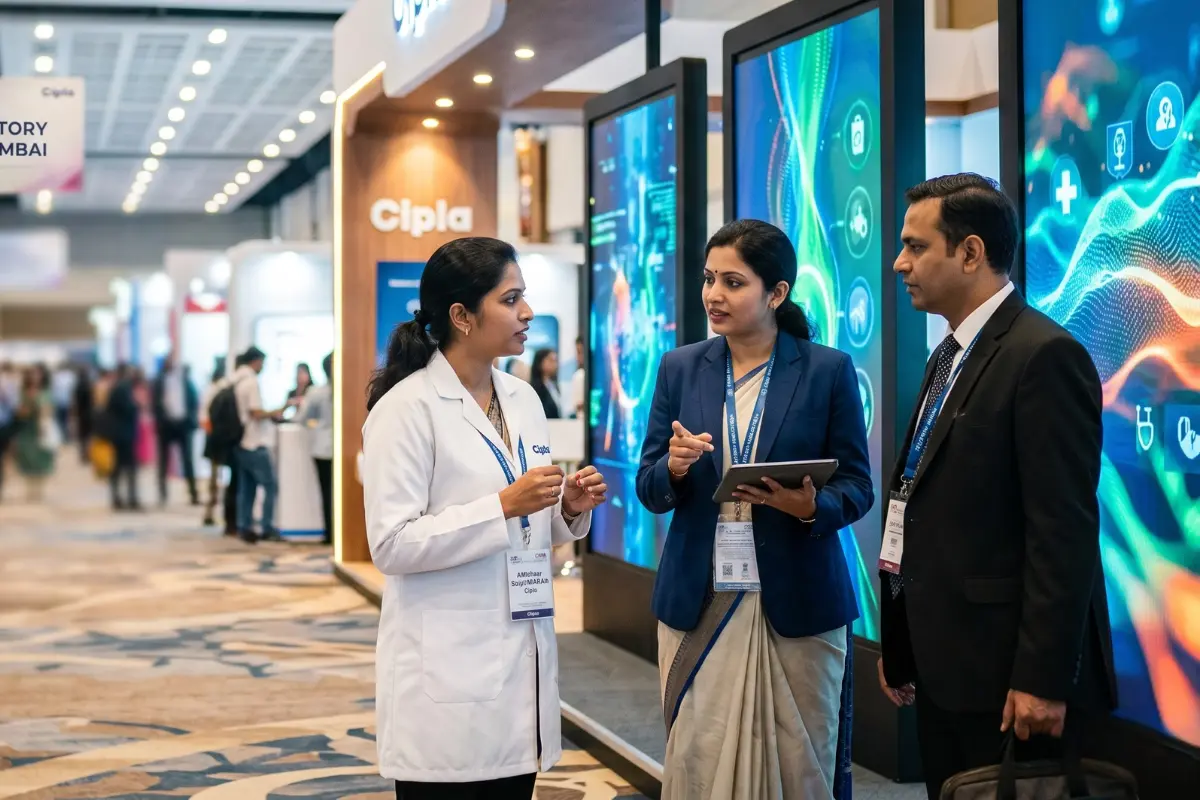
Fig 1. Booth traffic is engineered before the congress, not at the booth itself.
Pharma medical congress activation in India remains one of the largest discretionary spend lines in the brand budget — and one of the most poorly measured. A national-level booth can run into the multi-crore range, yet the “impressive” traffic volumes reported by agencies usually prove very little. The actual question — how many booth visits converted into material prescriber relationships — usually goes unanswered because the measurement infrastructure was not built into the activation.
What has changed in 2026 is that high-performing congress activation now sits on the pre-event and post-event sides of the booth. HCPs increasingly plan their congress agenda before they arrive; the booth either appears in that planning or it does not. The brands engineering both ends of this — pre-congress targeting and post-event conversion — produce booth-attributable pipeline that justifies the spend. The rest are still wondering why their congress ROI remains flat.
Booth underperformance in Indian pharma congresses is rarely a creative problem; it is a structural one. Most booths are designed to capture residual interest rather than anchored, planned engagement.
The work that determines booth outcomes happens 6–10 weeks before the congress. This pre-event phase is unglamorous and often under-resourced, representing a major competitive opportunity.
"60% of HCPs at major Indian medical congresses now plan booth visits in advance via the conference app. Less than 15% of booth-captured leads receive follow-up within 14 days — the pre-event and post-event gaps are where the ROI lives."
Once an HCP arrives at the booth—whether through a pre-scheduled meeting or organic discovery—the experience must deliver substantive scientific value within a tight 10–15 minute window. Design should optimize for clinical utility over brand aesthetic.
The post-pandemic shift has settled into a hybrid reality, with 20–40% of attendees now participating virtually. Virtual booths fail when they simply replicate physical models; they must earn engagement in a digital environment competing for the HCP’s browser attention.
Post-congress conversion is where the activation pays back. The 14-day window after the event is critical; beyond this point, responsiveness and conversion drop sharply as the HCP’s recall of the conversation decays.
Booth traffic generation is engineered on the pre-event and post-event sides; the booth itself is the middle act. Brands that resource the front and back ends of the activation produce booth-attributable pipeline that justifies the multi-crore congress spend. Those focusing only on aesthetics will continue to see impressive activity numbers but unmoved prescription dashboards.
The next congress cycle will reward pharma teams that built systematic targeting and conversion infrastructure during 2025–2026. These brands will see congress ROI move from a defensive budget line into the strongest commercial channel in the brand portfolio.
OneAlphaMed designs medical congress activation programmes that engineer booth traffic generation across pre-event, in-booth, and post-event windows. Explore our brand strategy and medical affairs services →
Strong booth traffic generation is engineered 6–10 weeks before the congress through targeted HCP outreach, scheduled-meeting offers, integration with the conference app's structured agenda, and pre-event content amplification. The work happens largely outside the booth itself. Brands that wait for organic walk-by traffic at the booth alone consistently underperform brands that pre-schedule a meaningful proportion of their high-value HCP engagements.
Volume metrics — badge scans, attendees, merchandise distributed — measure activity, not influence. Stronger metrics include scheduled-meeting completion rate, scientific-conversation depth, post-congress follow-up conversion within 14 days, and prescription pattern change in booth-engaged versus matched non-engaged HCP cohorts over 6–12 months. The latter is the strongest evidence the activation produced commercial outcomes.
Virtual and hybrid booths are effective when designed as digital experiences in their own right rather than digital replicas of physical booths. The format favours interactive scientific tools, KOL-led video, and on-demand expert Q&A over static brochure content. The data-capture advantage is also meaningfully better than physical booths — every interaction logs precisely, enabling faster and more targeted post-event follow-up.
Post-congress follow-up is where booth activation pays back. HCP recall of booth conversations is highest in the first 14 days post-congress; after that, responsiveness and conversion drop sharply. Less than 15% of booth-captured leads at typical Indian pharma congresses receive structured follow-up within this window, which is why congress investment so often produces flat ROI. Closing that gap is the highest-leverage improvement most brand teams have available.
+91 9811660635
info@onealphamed.com
2414, Ground Floor, Aravali Vihar, Sector 49 Faridabad, Haryana – 121001 India
Copyright © 2026 OneAlphaMed. All Rights Reserved.